Iranian Singer Condemned to Whipping for YouTube Video
Por Gui Caldeira ·
A Performance with a High Price
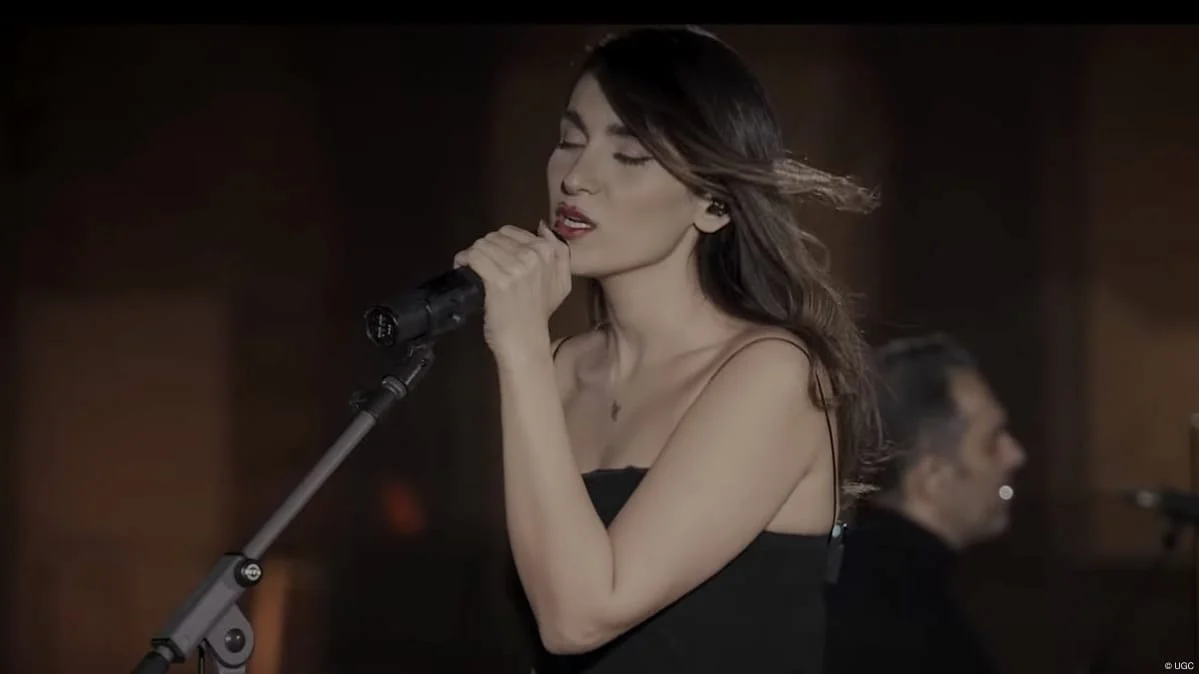
Artistic expression met severe limits in Iran when singer Parastoo Ahmadi faced the consequences of a digital recording. For performing a musical presentation without the mandatory use of the Islamic veil, she received a strict sentence imposed by the Iranian government.
The punishment involved 74 lashes and harsh restrictions for the entire artist's team. In addition to the physical marks imposed by the correctional unit, the musicians were forbidden from engaging in artistic activities or leaving the national territory for two years as a form of suppressing public performance.
Historical Symbolism and Attire
The content that generated the controversy was filmed in front of the ruins of an old market—a historical building once used as lodging for merchants. Although it was not a religious site, the authorities used strict moral criteria to interpret the absence of traditional dress during the recording.
Even with criticism regarding clothing deemed modest by the singer herself, the regime imposed sanctions based on social control over female behavior. The episode highlights the contrast between the persistent cultural vitality of the Persian people and the oppressive policies in force in specific geographical regions.
Global Reaction to Physical Punishments
International human rights organizations classified the execution of these lashes as a practice of cruel and inhuman torture according to global standards. The unanimous condemnation highlighted how extreme punitive methods are still used by the state to silence independent and creative voices on contemporary digital platforms.
Parastoo Ahmadi's story serves as a painful warning about the risks of artistic expression under constant governmental surveillance. While the international community repudiates such acts, her performance remains a symbol of the fight for freedom against the erasure of Iranian musical identity.