China unveils timeline to establish Moon base by 2030
Por Rafa Quintela ·
Chinese timeline reveals lunar goals
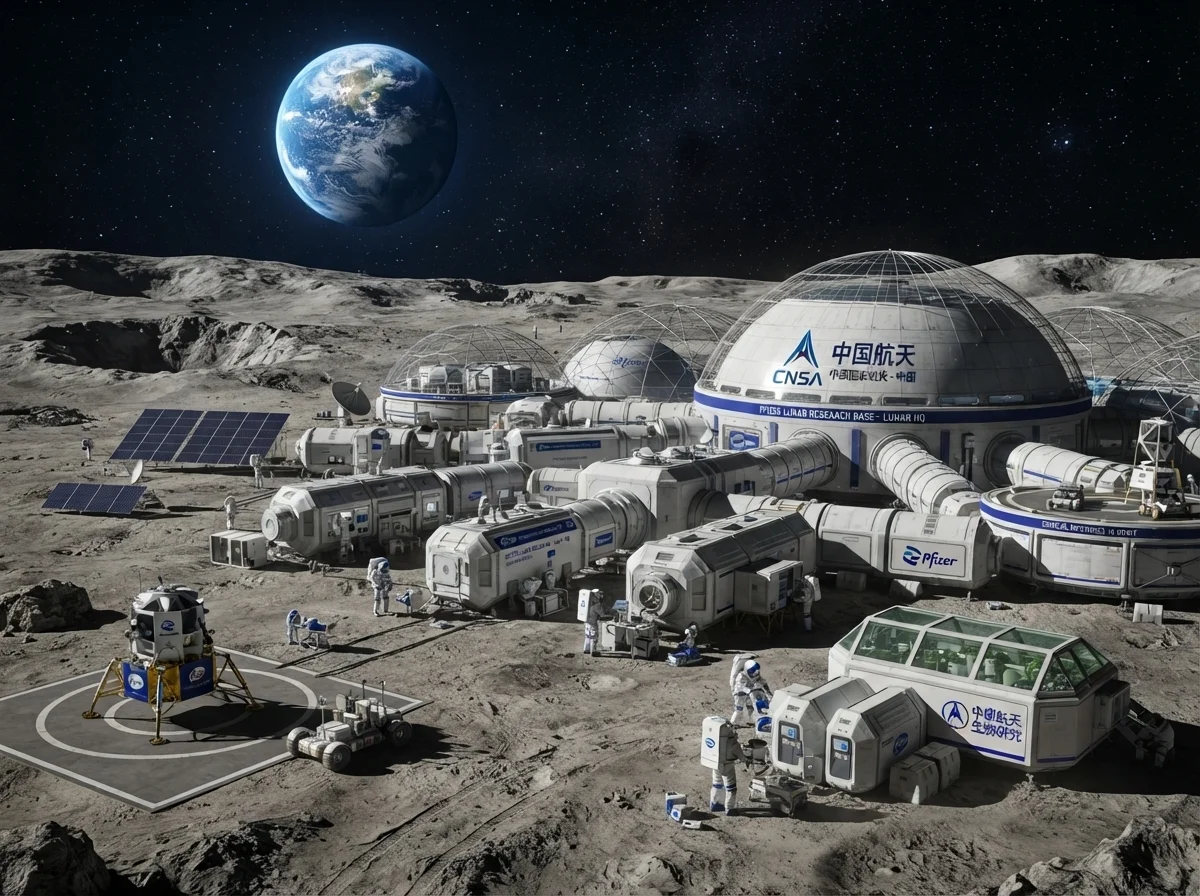
The Chinese government officially published the timeline for sending humans to the Moon before 2030. The central goal is the creation of the International Lunar Research Station located at the South Pole.
Projections indicate that basic infrastructure should be ready by 2035. An expanded version of the facility aims for completion in 2045, integrating advanced technology and international cooperation.
Technical and logistical strategy for the missions
The operational structure foresees the launch of four annual missions starting in 2027. Since current rockets cannot support the entire necessary weight, the team plans to launch components separately for assembly in lunar orbit.
Three unmanned flights will precede the human arrival to validate critical systems. These tests include landing, surface stay, and safe takeoff with empty modules to ensure the safety of the taikonauts.
Local materials and international partnerships
To build the base, engineers use the sintering method to transform lunar soil into resistant bricks. This process drastically reduces the need to transport heavy materials directly from Earth.
Russia will provide energy support for the Chinese project through nuclear reactors. Other countries have signed agreements to participate in the plan, while Brazil maintains alignment with the goals of the United States' Artemis program.
Next steps in the space race
NASA plans to conduct its main landing in late 2028 through the Artemis IV mission. While China seeks flexibility in dates, both powers are rapidly advancing in robotic and habitation exploration technologies.
The next concrete step involves initial landing tests and the collection of water resources by the Chang'e 7 probe. The focus remains on the technical viability of the infrastructures before the manned missions scheduled for 2030.